
Observatory History
The Early Years
(1964-1973)
HISTORY
In the era of Space Race
Following the Second World War, tensions rose between two of the victors; the Soviet Union (USSR) and the United States (US), a conflict that had its primary origins in the struggle between two political beliefs of communism (USSR) and capitalism (US) and became known as the Cold War.
Aided by German missile technology and scientists from the former German missile program, both superpowers invested heavily in rocket engineering to deliver nuclear warheads; a technology that naturally extended to space exploration. Achievements in space demonstrated technological and intellectual superiority, which was perceived as a proxy for military dominance. Thus, the Space Race became a symbolic extension of the nuclear arms race.
The competition began on 2 August 1955, when the Soviet Union responded to the US announcement of their similar intent to launch artificial satellites, and ended on July 17, 1975, with the Apollo –Soyuz docking mission, humanity’s first international space mission, when U.S. astronauts and Soviet cosmonauts linked up in Earth orbit and shook hands as a political demonstration of peace.
Although dominated by the two superpowers, the Race for Space was joined by other countries as well. The third nation and first European country to launch a satellite on its own rocket was France in 1965.
It was a remarkable time in history with many far-reaching achievements in science, space exploration and technology. The Space Race produced groundbreaking efforts to launch artificial satellites, space probes of the Moon, Venus, and Mars, and human space voyages in low Earth orbit as well as lunar missions. From beginning to end, the world’s attention was captivated by this contest for dominance.
The Space Race drove broader interest and investment in astronomy, astrophysics, and space science, which in turn supported the establishment, expansion and modernization of observatories worldwide. Many key observatories were built or significantly expanded during the Space Race era, thanks to the technological momentum, funding, and scientific interest it generated.
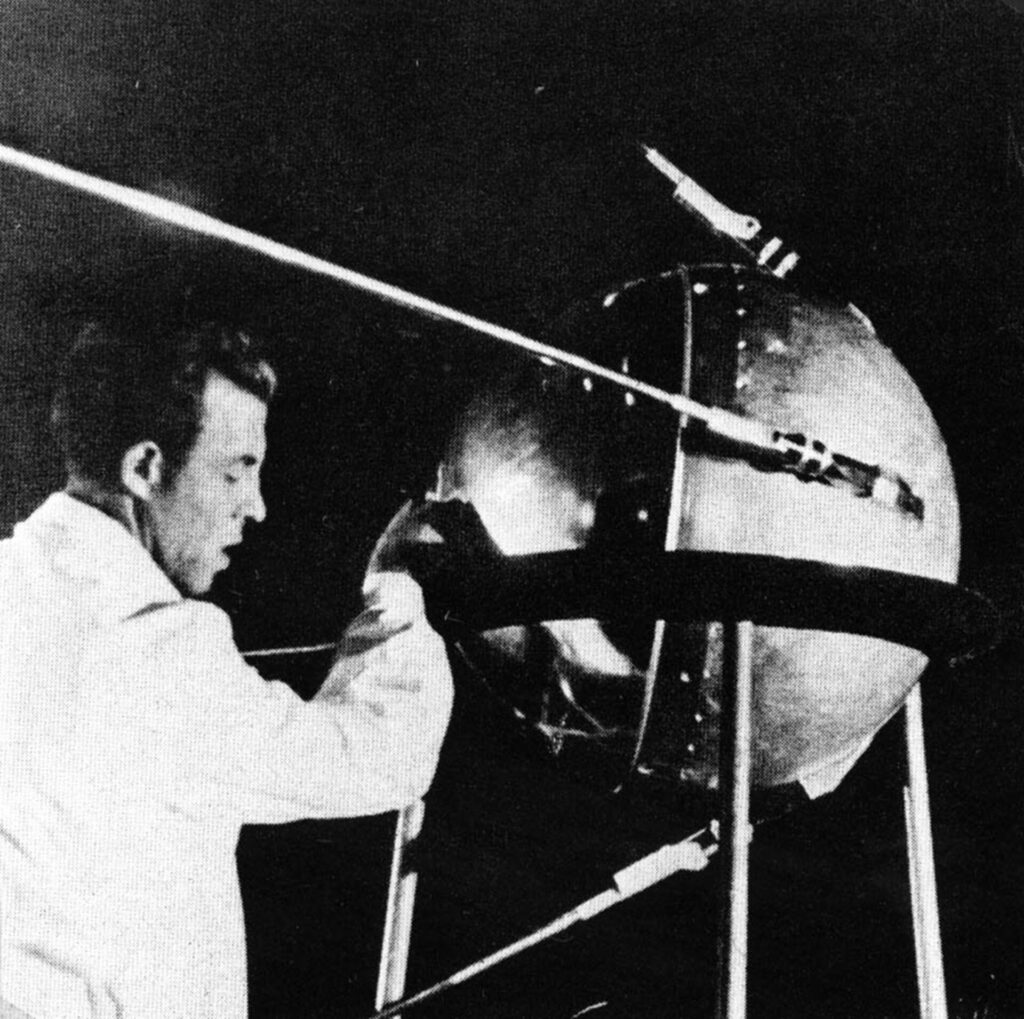
The launch shocked the western world, giving the former Soviet Union the distinction of putting the first human-made object into space. ©ESA
The Early Years
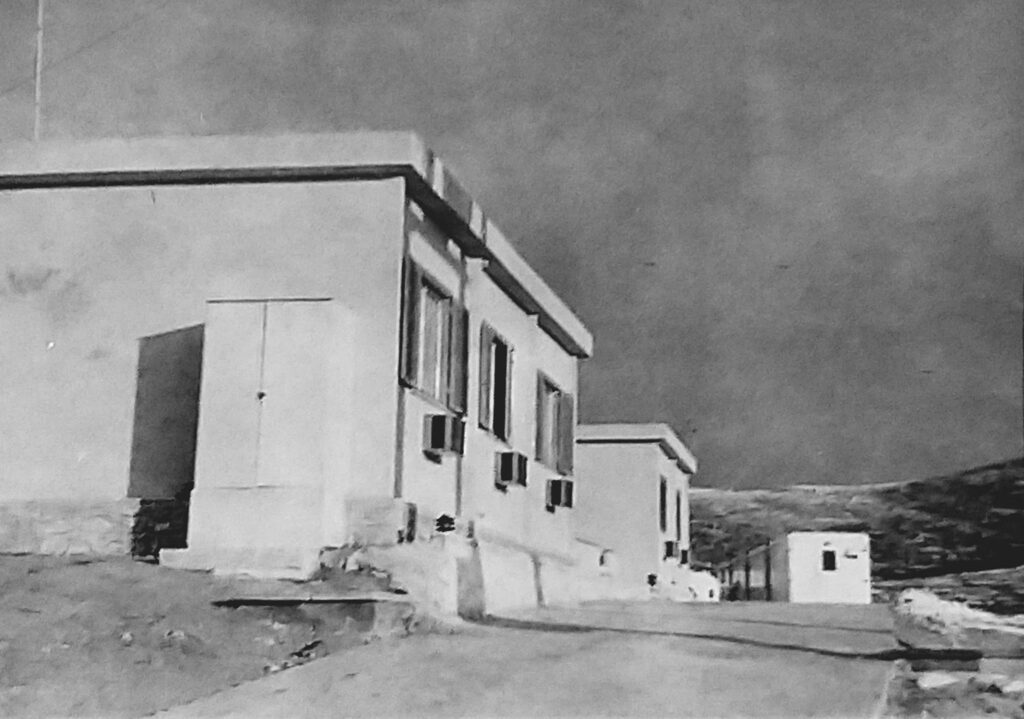
The Coming-About of the Observatory
This is a flexible section where you can share anything you want. It could be details or some information about your service one.
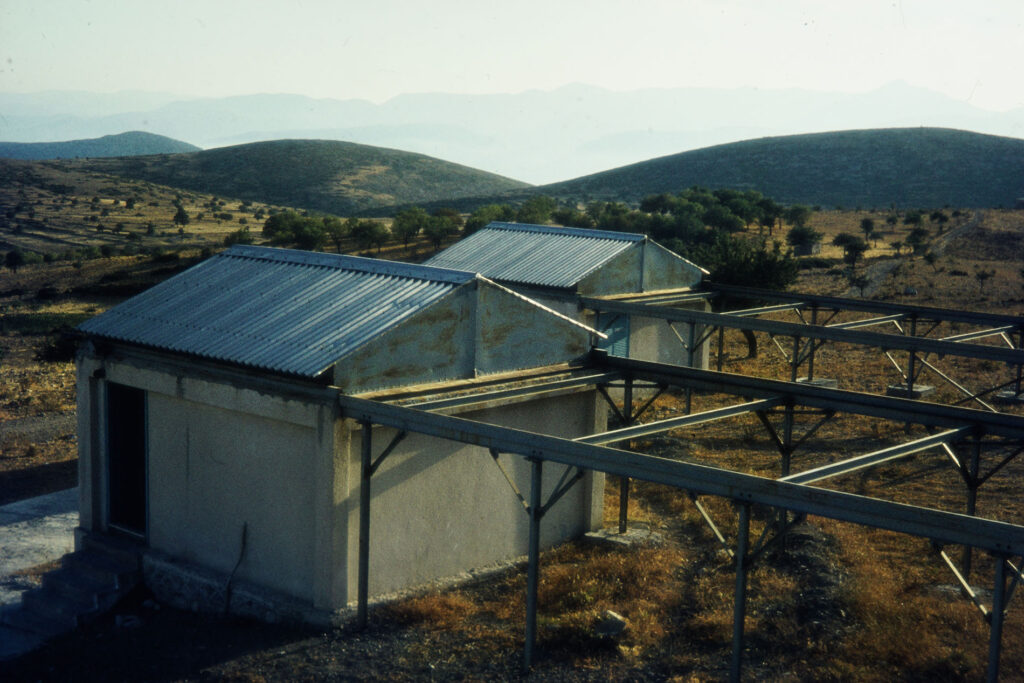
The Hamburg 38 cm Cassegrain Reflector
This is a flexible section where you can share anything you want. It could be details or some information about your service two.
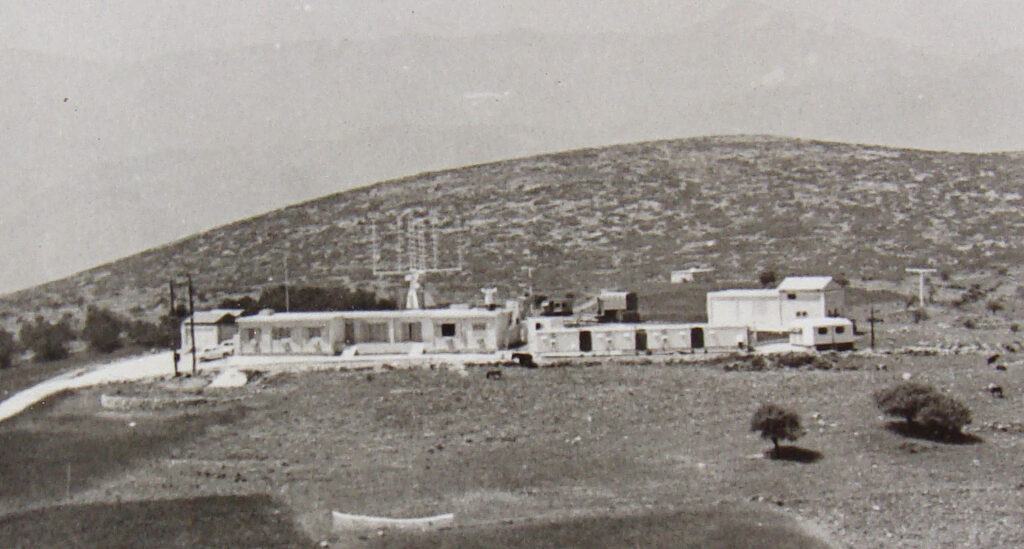
The French Satellite Tracking Station
This is a flexible section where you can share anything you want. It could be details or some information about your service 3.
Netherlands European Southern Observing Station
This is a flexible section where you can share anything you want. It could be details or some information about your service 4.