
Stephanion Observatory | History
The Early Years
(1964-1973)
THE FOUNDING YEARS
Where European Astronomy Came Together
The origins of Stephanion Observatory lie in the spirit of European scientific cooperation that emerged during the Space Age of the 1960s. What began in 1964 as a search by Dutch astronomers for an ideal observing site in Greece soon evolved into an ambitious project that brought together scientists and institutions from Greece, the Netherlands, Germany and France.
Within just a few years, Stephani became home to a remarkable collection of scientific facilities, including the Hamburg Observatory reflector, a Satellite-tracking station of the French National Centre for Space Studies (CNES), and the Van Straaten Reflector of the Netherlands European Southern Observing Station (N.E.S.O.S.). Together, these pioneering initiatives transformed a hilltop in Corinthia into one of the most internationally connected astronomical sites in Southeast Europe.
Explore the milestones, people and scientific programmes that laid the foundations for Stephanion Observatory and prepared the way for the installation of Greece’s first modern research telescope in 1971.
The Early Years
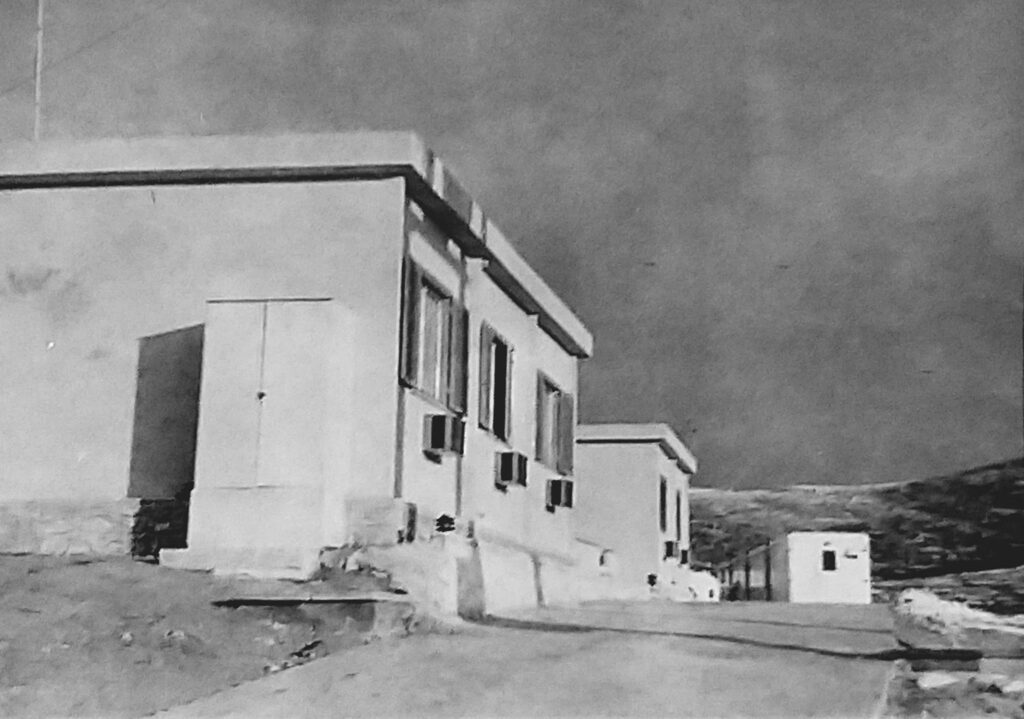
1964-1966 | Establishment
The Founding of the Observatory
From the first Dutch site surveys to the construction of the Observatory, explore the events and the people that turned an ambitious idea into reality.
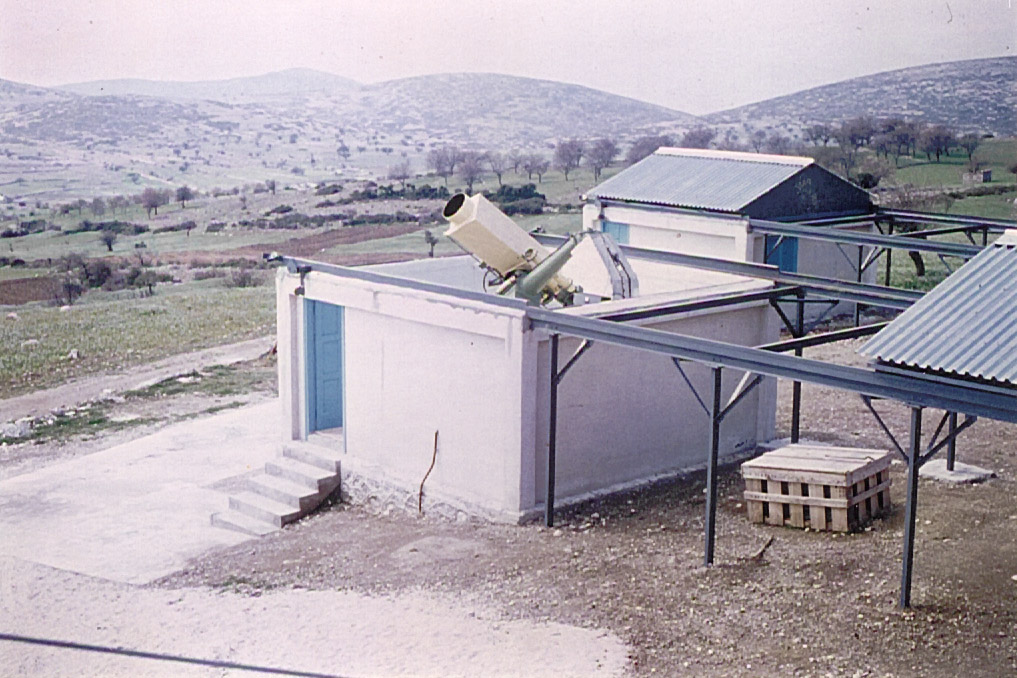
1967-1970 | The First Telescope
The Hamburg 38 cm Cassegrain Reflector
This is a flexible section where you can share anything you want. It could be details or some information about your service two.
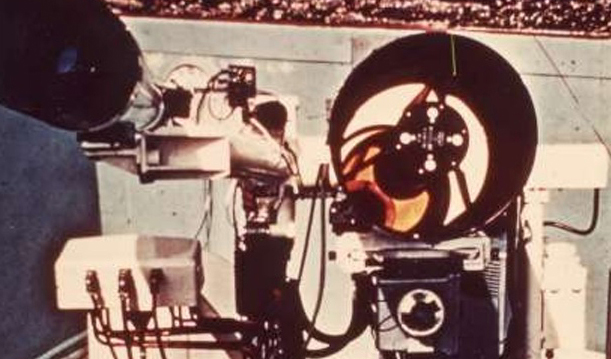
1966-1967 |
The French Satellite Tracking Station
In 1967 Stephanion Observatroy became part of one of Europe’s earliest satellite laser-tracking networks. Through a CNES station installed at the Observatory, French scientists participated in the tracking of the Diadème geodetic satellites, placing Stephanion at the forefront of the emerging field of satellite laser ranging.
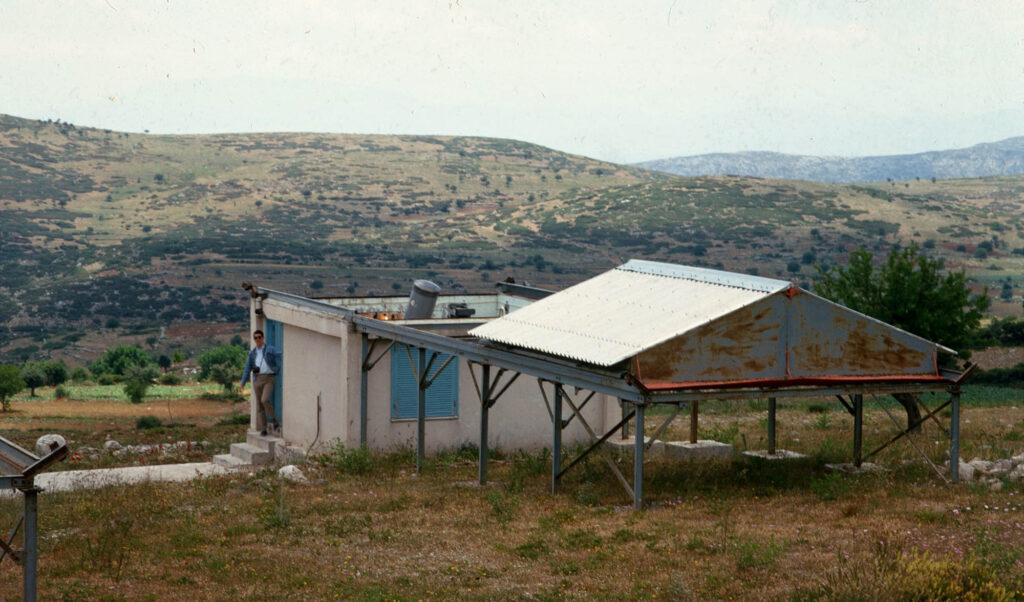
1967-1973 |
Netherlands European Southern Observing Station
This is a flexible section where you can share anything you want. It could be details or some information about your service 4.
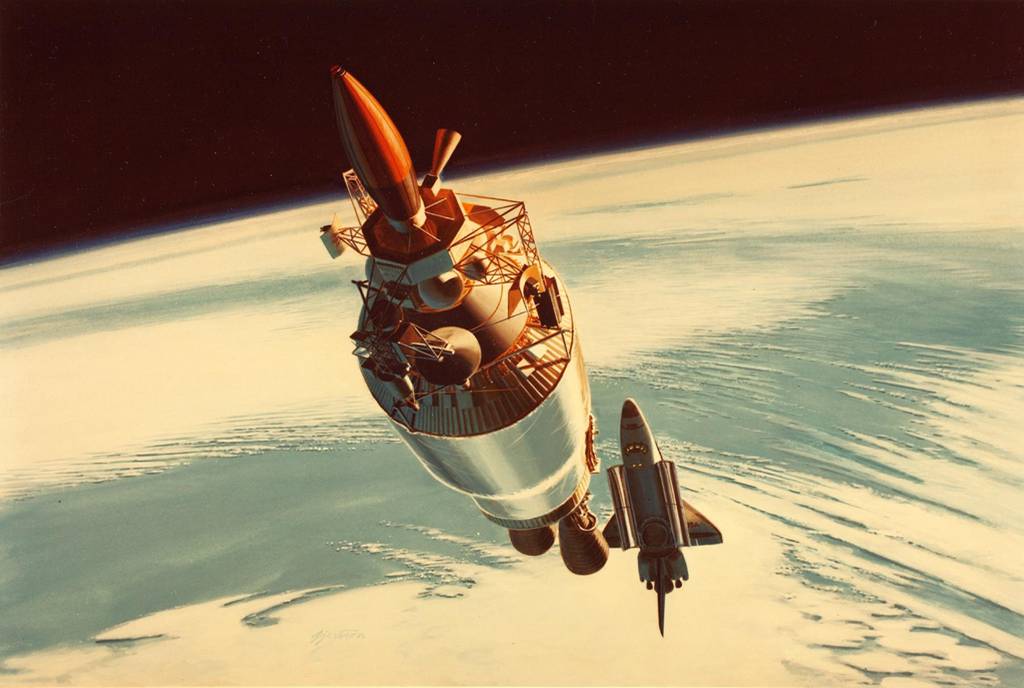
Our Story
Born in the Space Age
The words Space Age evoke images of rockets, Moon landings, futuristic architecture and a boundless belief in the future. It was an era when science and imagination inspired one another, and the dream of exploring space became a reality.
During the 1960s, the Space Race transformed not only technology but also culture. New discoveries influenced architecture, industrial design, fashion and art, while science fiction captured the imagination of millions through books, films and television series such as Star Trek and Lost in Space. It was an age of optimism, innovation and exploration.
Stephanion Observatory was founded in 1966, at a time when the world looked to the stars with unprecedented optimism. As satellites orbited the Earth and humanity prepared to set foot on the Moon, astronomy became a symbol of progress, discovery and international collaboration.
Nearly six decades later, that same spirit continues to inspire Stephanion Observatory. From education and citizen participation in science to modern astronomical research, the Observatory continues to encourage each new generation to look up at the sky and discover the Universe.